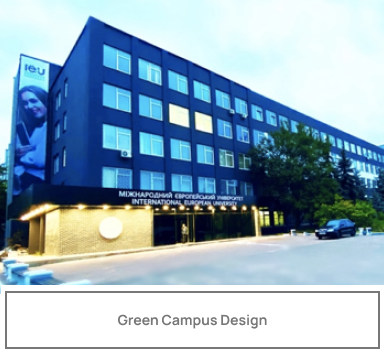
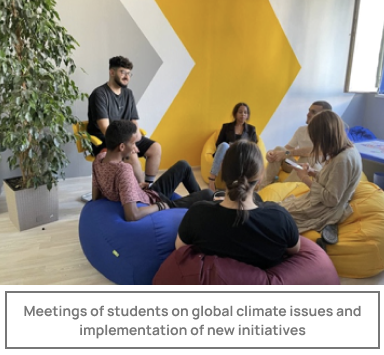
- SUSTAINABILITY AT IEU


Energy and climate change
 Ride-Share Program
The International European University is committed to promoting energy efficiency across its campus. The university has implemented a range of energy-efficient appliances and practices to reduce energy consumption and minimize its environmental impact. Here is a description of some of the energy-efficient appliances and initiatives in use on the campus:
LED Lighting: The university has upgraded its lighting systems to energyefficient LED bulbs. These bulbs consume significantly less energy than traditional lighting, resulting in reduced electricity consumption and lower maintenance costs.
Energy-Efficient Systems: The campus features energy-efficient heating, ventilation, and air conditioning systems. These systems are designed to optimize temperature control while minimizing energy use, providing a comfortable environment for students and staff.

Smart Building Management Systems: The university utilizes smart building management systems to monitor and control energy consumption. These systems help in optimizing energy use by adjusting lighting, temperature, and other factors according to occupancy and specific needs.
Energy-Efficient Appliances: The campus utilizes energy-efficient appliances in common areas, such as energy-saving refrigerators, washing machines, and dishwashers. These appliances are designed to minimize energy and water consumption.

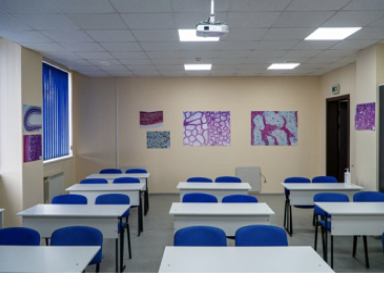
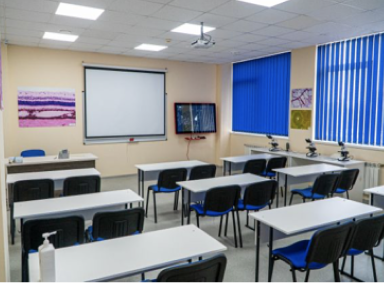
Insulation and Weatherproofing: The university has invested in improving insulation and weatherproofing across campus buildings. This helps maintain a consistent indoor temperature, reducing the need for excessive heating or cooling.
Waste Management: An efficient waste management system is in place to reduce waste and promote recycling. This includes composting organic waste and recycling paper, plastics, and other materials.
Renewable Energy Credits: The university invests in renewable energy credits and offsets to support clean energy production and reduce its overall carbon emissions.
These energy-efficient appliances and initiatives contribute to the International European University’s commitment to sustainable and environmentally responsible practices, reducing its carbon footprint and promoting a greener campus for all.
Renewable energy sources and their amount of the energy produced
Solar Panels:
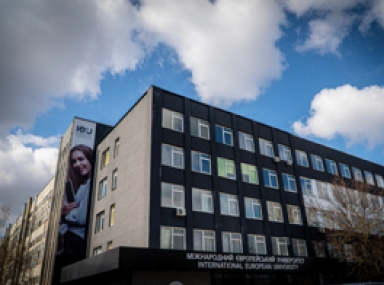
IEU has strategically integrated solar panels into the campus infrastructure. These photovoltaic panels are typically installed on the rooftops of several campus buildings, including the administration building, library.
We installed 48V panels which give us approximately 78000 KWH.

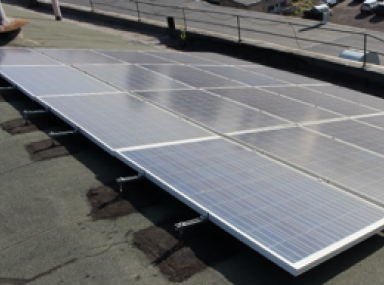
These solar panels harness the abundant sunlight and convert it into electricity through the photovoltaic effect. Here’s how solar panels benefit the campus:
Clean Energy Generation: solar panels provide a source of clean, renewable energy. By utilizing sunlight to generate electricity, IEU reduces its reliance on fossil fuels and lowers its carbon emissions, contributing to a cleaner environment and reduced greenhouse gas emissions.
Energy Independence: solar power allows the university to generate its electricity, reducing dependence on external energy sources and protecting against energy price fluctuations. This independence is essential for energy security and cost stability.
Financial Savings: while the initial investment in solar panels can be significant, they offer long-term cost savings. Solar energy production can offset electricity costs, and any excess energy generated can be fed back into the grid or stored for future use, potentially reducing energy expenses.
Educational Value: the presence of solar panels on campus serves as an educational resource. Students, faculty, and the wider community can learn about renewable energy and sustainability through these visible and practical installations.
Environmental Impact: solar panels contribute to the reduction of the university’s carbon footprint, aligning with IEU’s commitment to sustainability and environmental responsibility.
The implementation of solar panels at the International European University exemplifies the institution’s dedication to clean energy and sustainability. By utilizing solar power, IEU not only reduces its environmental impact but also promotes the adoption of renewable energy practices among its students and the community, thereby contributing to a more sustainable future.
We also use biodiesel power generators in 2 campuses in Kyiv, Ukraine.