
- SUSTAINABILITY AT IEU


Water
The International European University is committed to sustainable practices and environmental conservation, including a robust water conservation program on its campus. This program is designed to minimize water wastage and promote responsible water usage. Here are some key components of the water conservation program at the International European University campus:
⬩Rainwater Collection – rainwater is a valuable resource that is not allowed to go to waste on the campus. It is collected from various sources, including building rooftops and parking areas. This rainwater is then diverted to different usage areas.
⬩Plant Watering- rainwater is also employed for the irrigation of plants inside the buildings. This helps maintain a green and healthy environment on campus while simultaneously saving potable water resources.
⬩Comprehensive Campus Approach – the water conservation program at the International European University extends to the entire campus, encompassing all buildings and outdoor areas. This holistic approach ensures that water is used efficiently across the board.
⬩Awareness and Education – the university promotes awareness and education about the importance of water conservation. Students, staff, and visitors are encouraged to play an active role in preserving this precious resource.
⬩Regular Maintenance – the university conducts routine maintenance and inspections of its water conservation infrastructure to ensure its optimal functionality.
The International European University’s commitment to water conservation not only reduces its environmental footprint but also sets a positive example for the community and the broader region. By implementing these sustainable practices, the university actively contributes to the preservation of water resources and the promotion of a greener and more environmentally responsible campus.
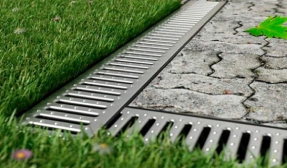


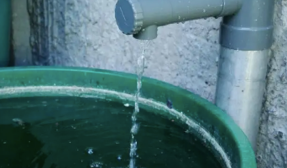
The International European University has implemented a comprehensive water recycling program on its campus to promote sustainability and minimize water wastage. This program focuses on the collection, treatment, and reuse of rainwater for various purposes. Here are the key elements of the water recycling program:
⬩Water Meter Installation to monitor and manage water usage effectively, water meters have been installed throughout the campus. These meters track the amount of rainwater that is collected and used, allowing for efficient management of water resources.
⬩Rainwater Collection the university’s rainwater harvesting system is designed to capture and store rainwater from various sources, including rooftops, parking areas, and other surfaces. This collected rainwater is then treated for reuse.
⬩Garden Sprinkler System – rainwater plays a vital role in the campus’s garden maintenance. It is used to operate a garden sprinkler system, ensuring that the campus grounds remain lush and well-maintained while conserving potable water resources.
⬩Water Treatment. The university employs advanced water treatment processes to ensure that the rainwater is of suitable quality for the intended applications. This includes filtration and disinfection methods to meet safety and quality standards.
⬩Monitoring and Maintenance – regular monitoring and maintenance of the entire water recycling system are conducted to guarantee its continued effectiveness and efficiency.
The International European University’s water recycling program is a testament to its dedication to sustainable practices and responsible resource management. By reusing rainwater for various purposes, the university not only reduces its environmental impact but also sets a noteworthy example for the campus community and beyond. This program exemplifies the university’s commitment to a greener and more environmentally responsible future.



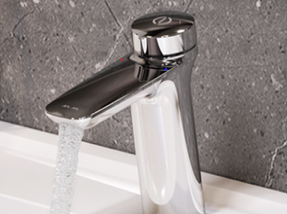
Example of Water Efficient Appliances Usage
The International European University is dedicated to promoting water conservation and efficiency on its campus. One of the key initiatives in achieving this goal is the usage of water-efficient appliances and fixtures. These water-saving measures help reduce water consumption and minimize the environmental impact of the university. Here are some examples of water-efficient appliances and fixtures in use on campus:
⬩Low-Flush WC’s – Low-flush toilets (WC’s) are used throughout the campus. These fixtures use a reduced amount of water per flush compared to traditional toilets, thereby conserving water while still maintaining sanitation standards.
⬩Low-flow taps are installed in various locations, such as restrooms and kitchen areas. These taps are designed to deliver water at a reduced flow rate, ensuring that less water is used during handwashing and other activities.
⬩Automatic Taps: The university also employs automatic taps, which feature sensors that dispense water only when hands or objects are detected beneath the tap. This technology helps prevent unnecessary water flow and promotes efficient water use.
⬩Sensor-Based Faucets, in addition to automatic taps, sensor-based faucets are used in washrooms and other areas, ensuring that water is only dispensed when needed, and it stops automatically when not in use.
⬩Regular Maintenance – the university conducts regular maintenance and inspections to ensure that these water-efficient appliances and fixtures operate optimally. This includes monitoring sensors and addressing any issues promptly.
⬩Educational Initiatives the university also runs educational campaigns to raise awareness among students and staff about the importance of using water-efficient appliances and fixtures. These initiatives encourage everyone to play an active role in water conservation.
By implementing these water-efficient appliances and fixtures, the International European University showcases its commitment to responsible water usage and environmental sustainability. These measures not only reduce water consumption but also serve as a model for the university community and beyond, illustrating the positive impact of incorporating water-efficient technologies in daily operations.


The International European University is dedicated to promoting water conservation and efficient water usage throughout its campus. In addition to the installation ofwater-efficient appliances and fixtures, the university also ensures that treated water is available to students and staff in various strategic locations, such as the dormitory and the central area of the campus.
Treated Water Availability. The university has implemented a system to provide treated water that meets quality and safety standards to the campus community, including students and staff. This treated water is readily available in key locations to promote responsible water usage.
Efficient Water Dispensing. The university employs water dispensing systems that are designed to minimize water wastage. These systems may include bottle filling stations with automatic shut-off features to prevent overflows and reduce unnecessary water use.
Regular Water Quality Testing to maintain the high quality of treated water provided to the campus community, the university conducts regular water quality testing and monitoring. This ensures that the water remains safe for consumption.
Educational Initiatives. The university conducts educational campaigns and programs to raise awareness about the importance of water conservation. These initiatives encourage students and staff to use treated water efficiently and reduce water waste.
Infrastructure Upkeep. The university emphasizes the importance of maintaining the water distribution infrastructure to prevent leaks and minimize water loss. Regular maintenance and prompt repairs are carried out to ensure efficient water supply.
By ensuring the availability of treated water in key campus locations and promoting responsible water usage, the International European University demonstrates its commitment to sustainability and the well-being of its community. This approach not only reduces the environmental impact of water consumption but also instills in students and staff a sense of responsibility and awareness regarding water conservation.
Water pollution control is a critical aspect of the environmental management practices at the campus of the International European University. The university is committed to maintaining a clean and sustainable campus environment by implementing a range of measures to prevent and control water pollution. Here are some key components of the water pollution control program:
Stormwater Management:
The campus has established effective stormwater management systems to control and reduce pollution from runoff. These systems include the use of permeable surfaces, rain gardens, and retention ponds to capture and filter rainwater before it enters local water bodies.
Sustainable Landscaping:
The university practices sustainable landscaping by selecting native plants that require minimal water and chemicals, thereby reducing the risk of pollutants entering the ecosystem. Pesticides and fertilizers are used sparingly and only when necessary.
Waste Management:
The university enforces strict waste disposal guidelines to prevent contamination of water sources. Hazardous materials are stored and disposed of properly, and recycling and composting programs are in place to reduce waste generation.
Chemical Use Reduction:
Chemical usage is minimized across the campus. This includes using environmentally friendly cleaning products and reducing the use of harmful chemicals in laboratories and maintenance activities.
Wastewater Treatment:
Wastewater from campus buildings, laboratories, and facilities is treated through appropriate wastewater treatment systems. Effluent is rigorously monitored and tested to ensure compliance with water quality regulations before being released.
Water Conservation:
Reducing water usage is an integral part of the university’s pollution control strategy. Water-efficient appliances, fixtures, and irrigation systems are in place, and educational campaigns promote water conservation among students and staff.
Environmental Education:
The campus conducts environmental education programs to inform students and staff about the importance of water pollution control. These initiatives raise awareness and encourage individuals to take proactive steps in pollution prevention.
Compliance with Regulations:
The university adheres to all relevant environmental regulations and permits related to water pollution control. It maintains a proactive stance in ensuring that its practices meet or exceed regulatory requirements.
Regular Monitoring and Reporting:
The campus conducts routine monitoring of water quality in surrounding water bodies. Any deviations from acceptable water quality standards are reported and addressed promptly.
By implementing these measures, the International European University demonstrates a strong commitment to environmental stewardship and protecting local ecosystems from water pollution. The campus’s proactive approach to water pollution control serves as a model for promoting responsible environmental practices within the academic community and beyond.