
- SUSTAINABILITY AT IEU


Waste management
The International European University has implemented a comprehensive 3R program on its campus to promote responsible waste management practices. The 3R program focuses on the principles of Reduce, Reuse, and Recycle, with an aim to minimize waste generation and promote environmental sustainability.
Recycling Partnerships
The university collaborates with local recycling companies, fostering relationships with environmentally responsible organizations. This ensures that recycling processes are carried out efficiently and sustainably.
Recycling Education
Educational initiatives are in place to inform the campus community about what can and cannot be recycled. Clear signage and communication materials are used to help individuals make informed recycling decisions.
Electronic Waste Recycling
The 3R program actively promotes the responsible recycling of electronic waste (e-waste). E-waste items, which contain toxic chemicals and heavy metals, are not to be disposed of in regular trash bins. Instead, dedicated e-waste collection points are available across the campus for the proper disposal of electronic devices and equipment.
Composting Initiatives
Alongside recycling efforts, the university also promotes composting. Composting bins and facilities are available to divert organic waste from landfills and transform it into nutrient-rich compost for landscaping and gardening purposes.
Waste Reduction Campaigns
The university actively promotes waste reduction practices, encouraging individuals to be mindful of the waste they generate. This includes efforts to minimize paper use and to choose products with minimal packaging.
Recycling Infrastructure
The campus is equipped with a well-structured recycling infrastructure, including recycling bins, designated collection areas, and efficient waste management systems.
The International European University’s 3R program is a testament to its commitment to environmental sustainability and responsible waste management. By implementing these measures, the university not only reduces its ecological footprint but also cultivates a culture of environmental awareness and responsibility among its students and staff. This program sets a positive example for sustainable waste management within the academic community and serves as a model for broader environmental stewardship.

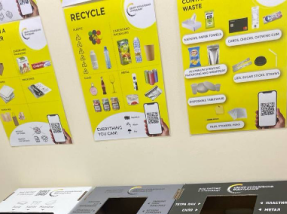


3R Program for IEU
The International European University has implemented a comprehensive program to reduce the use of paper and plastic on its campus. These initiatives are part of the university’s commitment to environmental sustainability and responsible resource management. Here are some key components of the program:
Paperless System
The university promotes a paperless system in daily workplace operations. This initiative encourages students, faculty, and staff to rely on electronic documentation and communication, reducing the need for physical paper. By embracing digital solutions, the university not only saves resources but also significantly reduces its carbon footprint. This reduction in paper usage leads to a decrease in CO2 emissions, contributing to global efforts to combat climate change.
Reusable Paper Practices
In back-office operations, the university emphasizes the use of reusable paper. This includes strategies such as printing on both sides of the paper to maximize its utility, conducting thorough data checks before printing to minimize unnecessary printing, and preferring online systems and electronic documents over hard copies whenever possible.
Plastic Bag Reduction Policy
The university has a policy to reduce and reuse plastic bags. Over the last three years, the “Reduce & Reuse Plastic Bag” project has been in effect. This initiative aligns with the key points of the United Nations Environment Program (UNEP) campaign, which focuses on addressing plastic waste pollution, echoing the message of “if you cannot reuse it, refuse it.” This policy has led to a significant reduction in the use of plastic bags on campus, ultimately reducing plastic waste by up to 90%.
Plastic Alternatives
The campus actively seeks alternatives to single-use plastic items. This includes providing reusable and biodegradable alternatives for items like cutlery, cups, and containers in campus dining facilities and events.
Waste Management and Recycling
In conjunction with the reduction efforts, the university has established efficient waste management and recycling programs, ensuring that any paper and plastic waste that is generated is sorted, recycled, or disposed of responsibly.
Sustainability Education
The university runs educational campaigns and programs to raise awareness about the importance of reducing paper and plastic usage. These initiatives encourage students, staff, and visitors to take proactive steps in reducing their environmental impact.
The International European University’s program to reduce the use of paper and plastic reflects its strong commitment to environmental sustainability and responsible resource management. By implementing these measures, the university not only reduces its ecological footprint but also fosters a culture of environmental responsibility within the campus community. This program serves as a model for sustainable resource usage in academic institutions and aligns with global efforts to address climate change and plastic pollution.
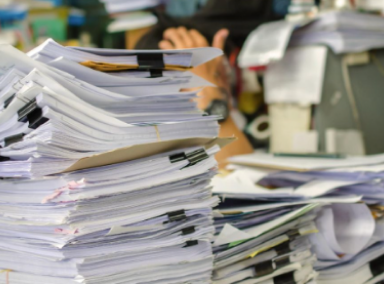
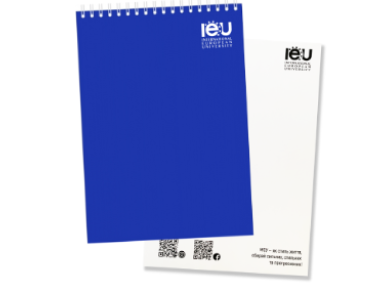
Reducing the Use of Paper and Plastic in IEU
The International European University’s approach to organic waste management aligns with its commitment to environmental sustainability. By reducing, composting, and responsibly managing organic waste, the university not only minimizes its environmental impact but also promotes a culture of responsible waste management within its campus community. The precise quantity of organic waste produced on campus would depend on various factors and is subject to change over time, making ongoing monitoring and waste reduction efforts essential.
ORGANIC WASTE TREATMENT AT IEU
The International European University (IEU) recognizes the importance of addressing organic waste in an environmentally responsible manner. As part of its waste management program, IEU is committed to implementing effective organic waste treatment strategies that promote resource conservation, reduce greenhouse gas emissions, and contribute to the circular economy.
Composting Facilities:
IEU will establish on-campus composting facilities to process organic waste generated within the university premises. These facilities will provide a controlled environment where organic waste, such as food scraps, plant trimmings, and other biodegradable materials, can undergo decomposition through natural processes.
Waste Segregation and Collection:
To ensure proper organic waste treatment, IEU will educate and train staff, students, and other members of the university community about waste segregation. Clear guidelines and designated bins will be provided to separate organic waste from other types of waste streams, such as recyclables and non-recyclables. Regular collection schedules will be established to collect and transfer organic waste to the composting facilities.
Composting Process:
The composting facilities will follow an efficient composting process, ensuring optimal conditions for organic waste decomposition. This process involves combining organic waste with appropriate ratios of brown materials (such as dried leaves or wood chips) to create a balanced carbon-to-nitrogen ratio. The waste mixture will be regularly turned and monitored for temperature, moisture levels, and aeration to facilitate the breakdown of organic matter.
Nutrient-Rich Compost Production:
Through the composting process, the organic waste will transform into nutrient-rich compost, a valuable soil amendment. The compost produced will be used within the university’s landscaping and gardening projects, providing natural fertilization and promoting healthy plant growth. This reduces the need for synthetic fertilizers and contributes to sustainable landscaping practices.
Educational Initiatives:
IEU recognizes the importance of educating the university community about the benefits and process of organic waste treatment. Awareness campaigns, workshops, and educational materials will be developed to promote understanding and participation in the composting program. This will empower individuals to make informed choices and actively contribute to the organic waste management efforts.
Partnerships and Research:
IEU will seek partnerships with external organizations, research institutions, and local communities to enhance its organic waste treatment initiatives. Collaborative projects can focus on optimizing composting techniques, evaluating the quality and effectiveness of the compost produced, and exploring innovative approaches to organic waste management. These partnerships will foster knowledge exchange and drive continuous improvement in organic waste treatment practices.
Monitoring and Evaluation:
IEU will implement a monitoring and evaluation system to assess the effectiveness of the organic waste treatment program. Key performance indicators, such as the volume of organic waste diverted from landfills, compost quality, and reduction in greenhouse gas emissions, will be tracked regularly. This data will guide decision-making, identify areas for improvement, and ensure the program’s alignment with sustainability goals.
By implementing effective organic waste treatment measures, IEU aims to minimize the environmental impact of organic waste, conserve resources, and contribute to a more sustainable campus. This approach aligns with IEU’s commitment to environmental stewardship, creating a healthier and more eco-conscious environment for the university community.
The IEU commitment to treating organic waste underscores its dedication to environmental sustainability. By processing organic waste through composting, waste-to-energy programs, and educational outreach, the university effectively minimizes its environmental impact. The treated organic waste contributes to enriching the soil, reduces the campus’s ecological footprint, and fosters a culture of responsible waste management among the campus community. Monitoring the quantity of organic waste treated is an essential component of ongoing waste management efforts to track progress and identify areas for improvement.
The International European University has implemented a comprehensive program for the treatment of organic waste on its campus. This program aligns with the university’s commitment to environmental sustainability and responsible waste management.
The program begins with the systematic collection of organic waste from various sources on the campus. This includes organic materials generated in dining facilities, food scraps, and yard waste from landscaping activities. Waste collection points are strategically located to facilitate the separation of organic waste at its source.
The International European University’s organic waste treatment program is an integral part of its sustainability efforts. By efficiently managing organic waste through composting and utilizing the resulting compost in campus landscaping, the university not only reduces waste but also enhances its commitment to environmental responsibility. The program sets a positive example for responsible waste management and sustainability practices within the academic community and contributes to a greener and more sustainable campus environment.


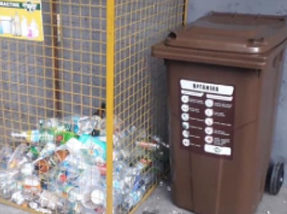
Organic Waste Treatment
The International European University actively manages inorganic waste generated on its campus as part of its commitment to environmental sustainability and responsible waste management. Inorganic waste consists of non-biodegradable materials such as plastics, glass, metals, and other materials that do not decompose naturally.
The International European University’s approach to treating inorganic waste underscores its dedication to environmental responsibility and sustainability. By effectively managing inorganic waste through recycling and responsible waste disposal practices, the university reduces its ecological footprint and fosters a culture of responsible waste management within the campus community. This approach aligns with global efforts to address waste reduction and environmental stewardship.
The International European University has a comprehensive waste management program in place, which includes the treatment of inorganic waste generated on campus. The university is committed to sustainable and responsible waste management practices.
Quantification of Treated Inorganic Waste
The exact quantity of inorganic waste treated on campus can vary over time due to factors such as the number of students, activities, and specific events. The university periodically conducts waste audits and assessments to measure the volume of inorganic waste generated and to track changes over time. These assessments help evaluate the effectiveness of waste management practices.
Waste Separation and Collection
Inorganic waste is systematically separated and collected from various sources on campus. Recycling and waste bins are strategically placed to facilitate the proper separation of inorganic waste from other waste streams. This waste separation process ensures that recyclable materials like plastics, glass, and metals are appropriately collected and treated.
Recycling Programs
The university actively participates in recycling programs to treat inorganic waste. It collaborates with recycling service providers to ensure that recyclable materials are processed efficiently and sustainably. These programs play a vital role in reducing the environmental impact of inorganic waste.
The International European University’s approach to treating inorganic waste underscores its dedication to environmental responsibility and sustainability. By effectively managing inorganic waste through recycling and responsible waste disposal practices, the university reduces its ecological footprint and fosters a culture of responsible waste management within the campus community. This approach aligns with global efforts to address waste reduction and environmental stewardship.


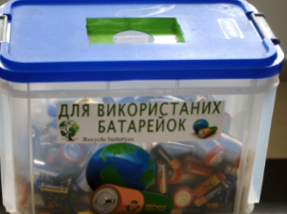
Inorganic Waste Treatment
The International European University places a strong emphasis on responsible waste management practices, which includes the handling of toxic waste generated on its campus. Toxic waste is a category of waste materials that may contain harmful or hazardous substances and requires special treatment and disposal.
The International European University’s approach to treating toxic waste reflects its dedication to environmental responsibility and safety. By following strict safety protocols and ensuring the proper treatment and disposal of toxic waste, the university minimizes potential risks to the campus community and the environment. This approach aligns with global efforts to safeguard public health and protect the environment from the harmful effects of hazardous waste.
The International European University has established a comprehensive program for the treatment of toxic waste on its campus, ensuring the safe handling, storage, and disposal of hazardous materials. The program is designed to comply with national and international regulations and prioritize environmental safety. Here is an overview of the key components of the toxic waste management program:
Management of Hazardous Waste
The management of solid, liquid, and gaseous hazardous waste is overseen by the university. The team is responsible for ensuring that all hazardous waste generated on campus is handled in a safe, compliant, and environmentally responsible manner.
Waste Documentation and Compliance
Proper documentation is a crucial part of toxic waste management. The trained technicians are responsible for filling out the necessary paperwork to comply with regulatory requirements. This documentation includes details about the type of waste, its origin, and other essential information that ensures proper handling and disposal.
Environmental Responsibility
The entire program is aligned with the university’s commitment to environmental responsibility and safety. By establishing clear protocols, ensuring proper storage, and complying with regulations, the university minimizes potential risks to the campus community and the environment.
The International European University’s toxic waste management program exemplifies its dedication to safety, compliance, and environmental stewardship. By overseeing the proper handling, storage, and disposal of toxic waste, the university reduces potential risks and maintains a safe and sustainable campus environment. This approach aligns with global efforts to safeguard public health and protect the environment from the harmful effects of hazardous waste.
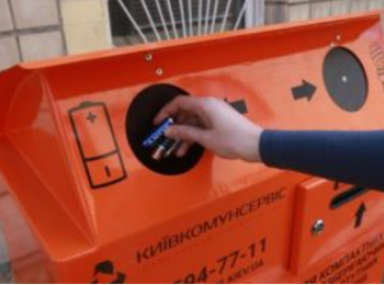
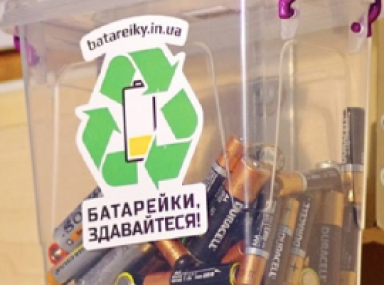
Toxic Waste Treatment
The International European University in Ukraine has a well-organized sewage disposal system to effectively manage the flow of wastewater on its campus. Here is an overview of the sewage disposal system at the university:
Sewage Infrastructure
The campus is equipped with a comprehensive sewage infrastructure that includes a network of public sewers designed to handle both domestic and trade flows. These public sewers are essential for the efficient drainage of wastewater generated across the campus.
Maintenance and Cleansing
The university recognizes the importance of maintaining and cleansing the sewage system to ensure its proper functioning. Routine maintenance and cleaning of the sewers, as well as any lateral drains, are carried out to prevent blockages and maintain an effective drainage system.
Sewage Treatment Works
Sewage treatment works play a crucial role in processing and treating the wastewater from the campus. These facilities are responsible for treating the sewage to remove contaminants and ensure that the discharged water meets environmental and regulatory standards. Sewage treatment works are an essential part of the sewage disposal process, promoting environmental responsibility.
Provision for Sewage Emptying
The university, in compliance with regulations, provides for the emptying of sewers. This process involves ensuring that sewage is transported to sewage treatment works or, when appropriate, directly to watercourses. Proper provision for sewage emptying ensures the efficient and responsible disposal of wastewater.
The International European University’s sewage disposal system reflects its dedication to environmental responsibility and the health and safety of the campus community. By maintaining a well-organized sewage infrastructure, regular cleansing and maintenance, and adherence to sewage treatment and disposal regulations, the university ensures that its wastewater is handled in an environmentally responsible manner. This approach aligns with global efforts to protect water resources and promote sustainable sewage disposal practices.