- SUSTAINABILITY AT IEU


Sustainable Development of Communities
Greening of the educational infrastructure.
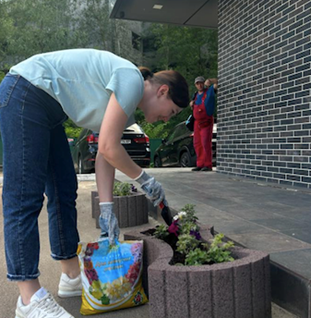
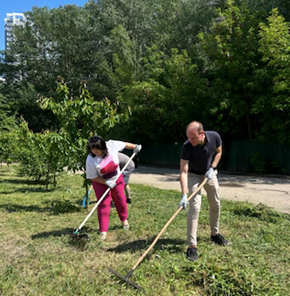
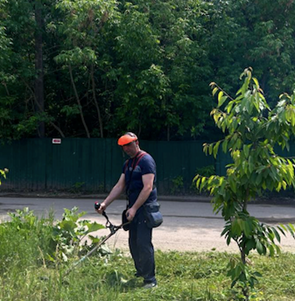
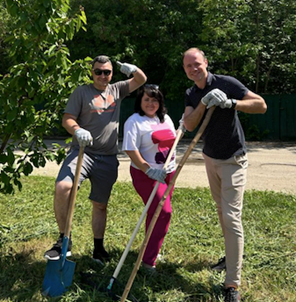
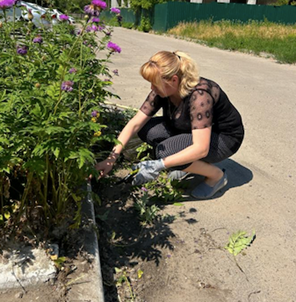
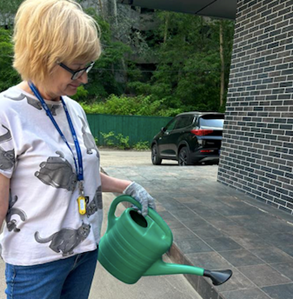
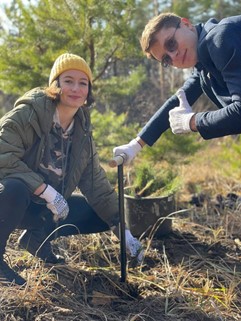
Today’s world recognizes the need for deep changes in the way we build and maintain our urban areas. One of the initiatives aimed at meeting the Sustainable Development Goals (SDGs) is the greening of International European University (IEU) Campuses.
Not only does it decorate the learning environment, but it also becomes a strategic step in improving the environmental, social and economic sustainability of the university community.
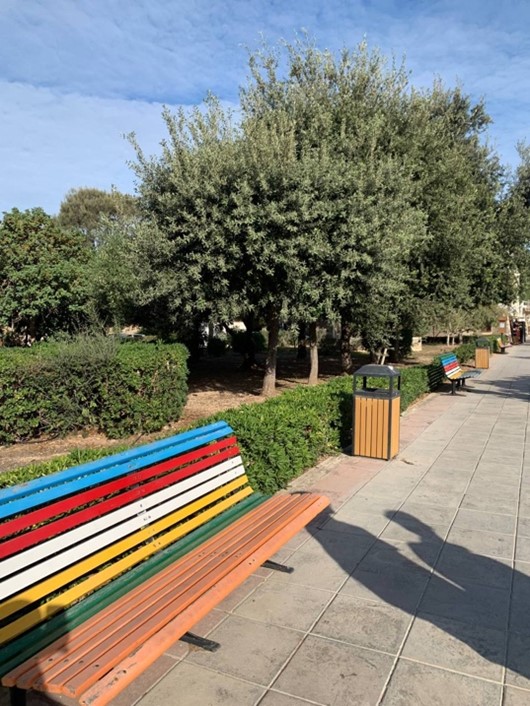
Campus greening is not just a natural element but an important strategy for achieving the SDGs. It primarily helps address climate change and ecosystem degradation problems. Increasing the number of trees, shrubs and lawns at the campus reduces carbon emissions, improves air quality and reduces the heat island temperature effect in the urban environment.
Green spaces not only enhance the appearance of the campus but also affect the psychological well-being of students, lecturers and staff. Research confirms that green space contributes to stress reduction, increased concentration and overall psychological comfort. The green campus becomes a place where people can relax, recharge and enjoy natural surroundings.
The green campus also provides opportunities for the development of the social community. Gardens and parks can serve as spaces for meetings, discussions and cultural events. Besides, the creation of innovative spaces for environmental and sustainability study and research can foster scientific development and the adoption of cutting-edge technologies.
Campus greening can be used to educate students and staff about environmental issues. Students can take part in plant care programs, explore ecosystems and develop nature conservation projects. It allows creating a new generation of leaders understanding the importance of environmental responsibility.
Campus greening also contributes to the rational use of resources. Introduction of energy efficient irrigation systems, utilization of renewable energy sources and efficient use of water helps in reducing the ecological footprint of the territory.
Greening of International European University campuses is becoming not only a symbol of beauty but also an active step in the fulfillment of the Sustainable Development Goals. It contributes to a sustainable future by developing not only natural resources but also human potential. Students, lecturers and staff surrounded by green oases gain not only knowledge but also inspiration to take an active part in creating a sustainable world.
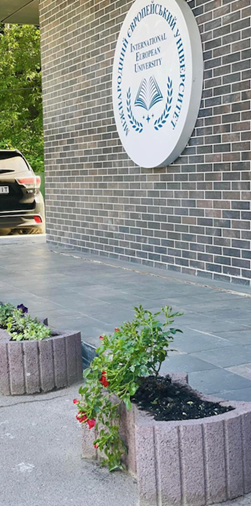
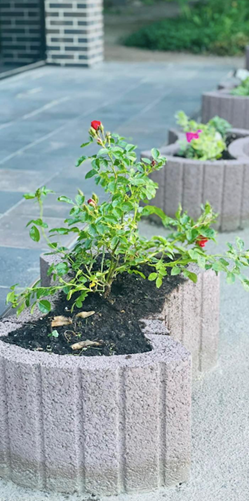
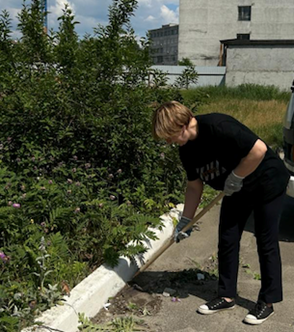
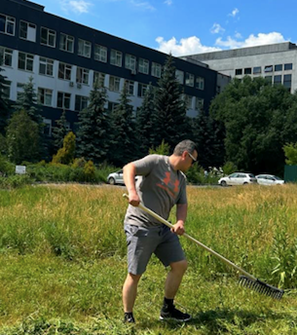




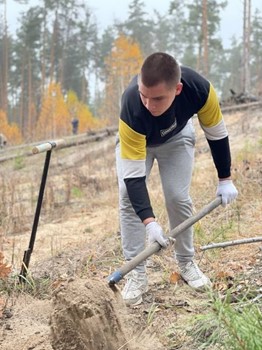

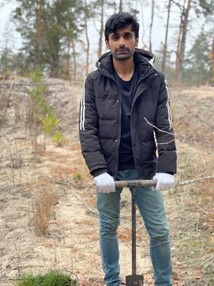
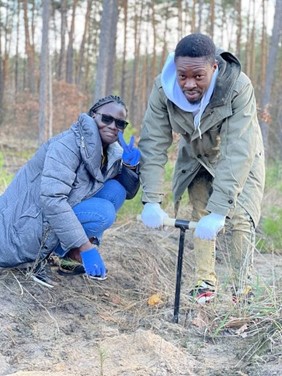
Creating green ergonomic co-working spaces that will ensure inclusive and equal participation and serve as relaxation and recreation spaces for participants in the educational process
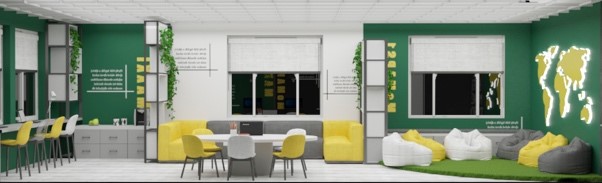
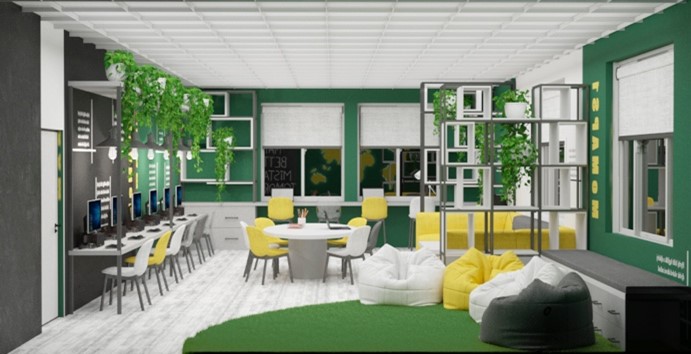
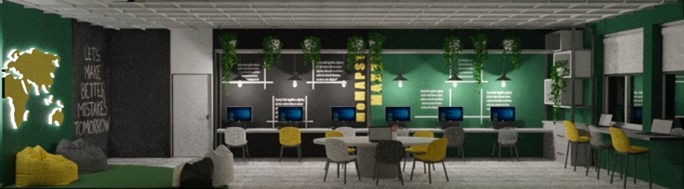
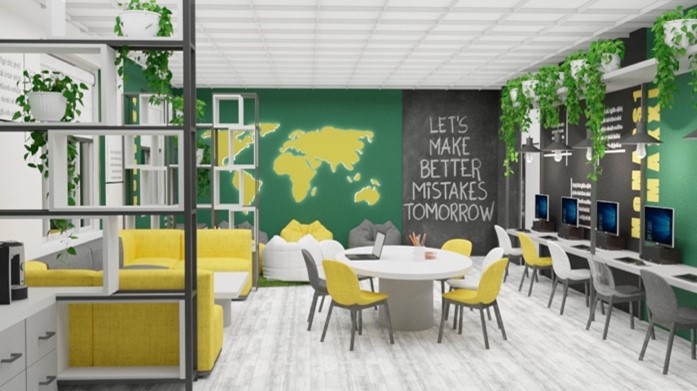
In today’s educational space, where students and staff are looking for innovative and comfortable places to study and relax, International European University is stepping forward by offering green, ergonomic coworking spaces. These spaces serve not only as places to work, but also as areas of inclusive participation and equal recreation for all participants in the educational process.
The university’s green coworking spaces are characterized by a convenient and ergonomic design, contributing to comfort during study and work. Furniture made from eco-friendly materials, solar-powered lighting, and floral décor create a healthy and pleasant working environment.
Each green coworking space meets the different needs of the participants in the educational process. They have specially equipped areas for group work, individual study, lecture viewing, as well as areas for creativity and relaxation.
The university’s green coworking spaces are equipped with modern technology and infrastructure for convenient lectures, reflecting innovative technologies and didactic methods.
Green coworking spaces take into account the needs of all users, regardless of their physical abilities. Accessibility for people with disabilities provides an inclusive atmosphere where everyone can actively participate in the educational process.
Coworking spaces serve not only as places of work but also as areas of recreation and development. Recreational areas and extracurricular activities, such as lectures, workshops, and art exhibitions, promote development and cultural exchange among members of the university community.
Green coworking spaces expand opportunities for collaboration and interaction. They become a place where a community of students, faculty, and staff is formed, promoting the exchange of ideas and team spirit.
The University is actively working on green initiatives aimed at reducing its carbon footprint and improving environmental sustainability. Green coworking spaces are part of this commitment to the environment.
The International European University is implementing green ergonomic coworking spaces as an innovative approach to creating a favorable environment for studying, working and relaxing. These spaces reflect the university’s commitment to inclusivity, sustainability and comfort for all members of the university community.
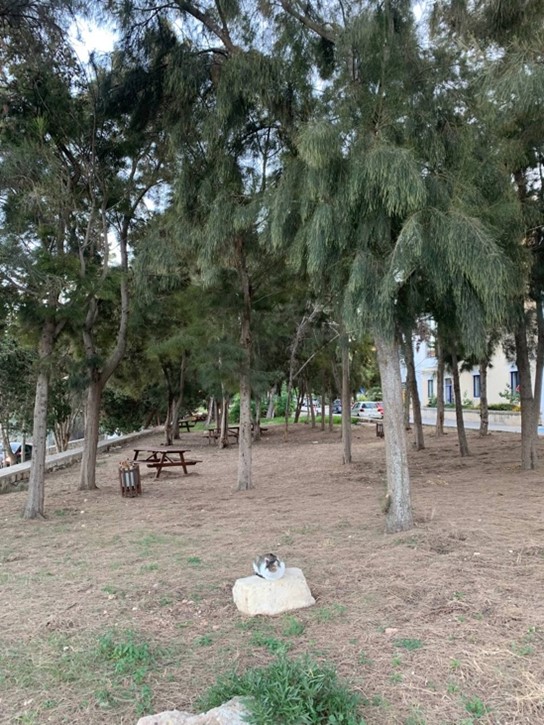



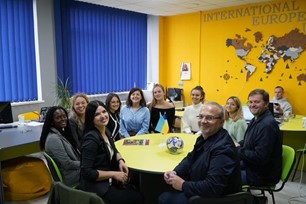
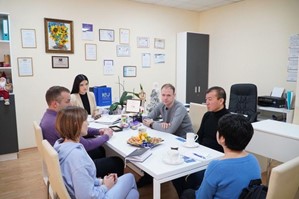
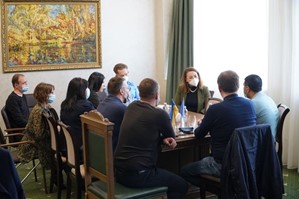
Cooperation with local partners to develop projects aimed at resolving sustainable development problems in our region.
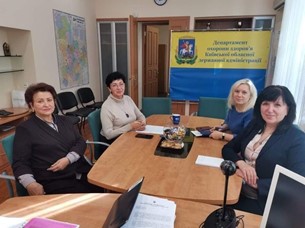
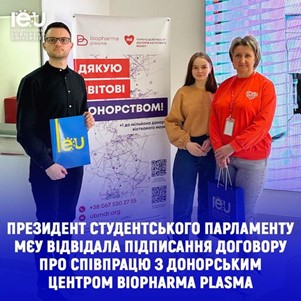
On the way to sustainable development, the International European University is determined by active cooperation with local partners to develop and implement projects aimed at solving problems and improving the life of our region.
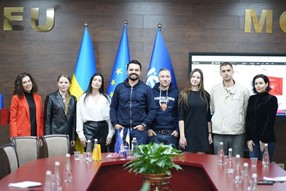
The International European University believes in the power of cooperation and interaction. Together with local organizations, authorities and enterprises, the university attracts various resources to develop and implement sustainable development projects.
The cooperation is focused on understanding the specific problems and needs of the region. Through research and consultations with the local population, the university identifies priority areas for joint initiatives.
The university is actively working on projects aimed at improving the environmental sustainability of the region. This includes initiatives to preserve natural reserves, introduce energy-efficient technologies and reduce environmental impact.
The university cooperates with local authorities and businesses to develop infrastructure and public spaces. This includes the construction and reconstruction of roads, parks, sports grounds and other facilities that improve the quality of life of the local population.
The university cooperates with local educational institutions to develop educational programs and research initiatives aimed at improving the level of education and developing the scientific potential of the region.
The University pays attention to socio-economic initiatives aimed at community development and support of local entrepreneurs. This may include small business support programs, development of social services, and other initiatives.
Cooperation with local businesses and startups promotes innovation and creativity in the region. The University supports student and research projects aimed at addressing the challenges of our time.
The International European University shares its experience and knowledge with local partners through conferences, seminars, and other forms of interaction, facilitating the exchange of ideas and best practices.
Cooperation between the International European University and local partners reflects the university’s commitment to sustainable development and improving the quality of life in the region. These projects not only develop infrastructure, education and the environment, but also create strong partnerships for a common future and sustainable development of the region.