
- SUSTAINABILITY AT IEU


High-Quality Education
System monitoring of the transformation of society’s needs to clarify the list and content of the competencies of each educational program.
In the modern world, where the requirements for higher education are constantly changing, the International European University is defined by its active work in the field of systematic monitoring of the transformation of society’s needs. An innovative approach to clarifying the competencies in each study program (Medicine, Marketing, Management, Psychology, Information Technology and Programming, Philology) defines the university as a leader in higher education.
Modern labour market requirements and rapid technological changes require constant updating of educational programs. The International European University understands that responding to these challenges requires not only a reactive but also a systematic approach.
The International European University implements innovative systemic monitoring aimed at continuously studying and analyzing the needs of the labor market and society. This approach covers all educational programs and helps to clarify the list and content of competencies in accordance with current requirements.
An important part of systemic monitoring is to clarify the competencies in each educational program:
– Medicine:
Medical programs emphasize modern methods of diagnosis and treatment, as well as the development of communication skills to interact with patients and colleagues.
– Marketing and Management:
Programs in marketing and management emphasize strategic planning, innovative management, and leadership development.
– Psychology:
Psychology degree programs focus on developing competencies in psychotherapy, counselling, and intercultural interaction.
– Software Engineering:
Programs in information technology focus on developing skills in programming, data analysis, and software engineering.
– Philology:
Philology programs aim to develop linguistic, literary, and cultural competencies.
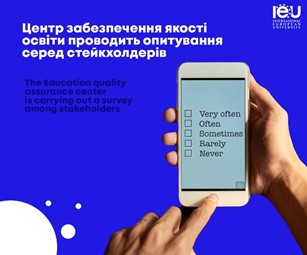
Systemic monitoring is not limited to the analysis of academic needs. The university interacts with employers and the public, conducts surveys and focus groups to collect information about the skills and competencies required by modern society.
The International European University creates not only highly knowledgeable professionals, but also leaders who are able to adapt to changes in the modern world. Systematic monitoring in educational programs is a key component of this approach and supports the development of competencies necessary for success in any field.





2. The use of research findings to improve the quality of educational programs of all levels.
The International European University is defined by its constant commitment to improving the quality of education. In this context, the use of research results is becoming a key factor in improving the efficiency and competitiveness of educational programs at all levels.
International European University actively develops a research culture among its faculty and students. By encouraging research at all levels of education, the university creates a favourable atmosphere for finding new ideas and improving educational approaches.
The use of research results provides an opportunity not only to improve the curriculum, but also to provide students with practical skills and knowledge that meet the modern requirements of the labor market. The University actively cooperates with industry and leading experts to implement best practices in the educational process.
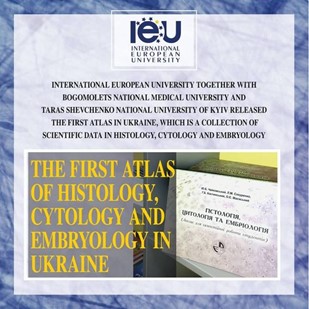
An important part of the International European University’s strategy is a system of continuous evaluation and upgrade of educational programs. Research results are used to analyze the effectiveness of programs, identify weaknesses and improve teaching methods.
The International European University encourages students to participate in research by providing opportunities to develop their own ideas and conduct independent projects. This helps to create a new wave of young researchers who contribute to improving the quality of education.
To improve its educational programs, the university is actively developing interdisciplinary research. Cooperation between different faculties allows us to create comprehensive and modern approaches to education.
Research results are used to implement innovative teaching methods. The use of technology, active implementation of practical tasks and game-based learning formats are becoming an integral part of the educational process.
The use of research results allows the university to maintain the relevance and relevance of educational programs. The updated programs meet modern challenges and guarantee high quality knowledge for future generations of specialists.
The International European University demonstrates that the combination of science and education creates a strong foundation for the training of highly qualified specialists. The use of research results at the university promotes continuous improvement and guarantees high quality education at all levels.





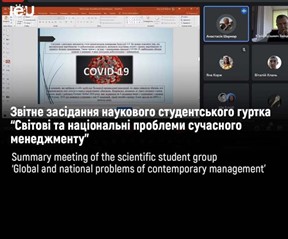


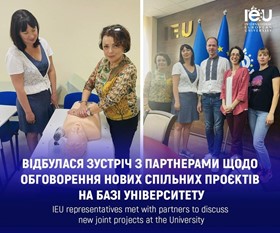
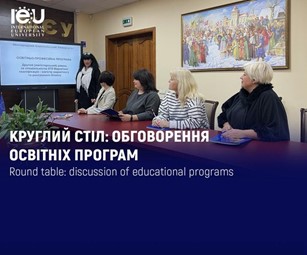
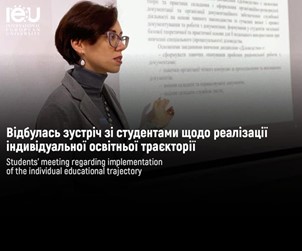
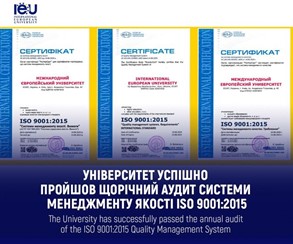


Improving the methodological support of the educational process using digital technologies, e-learning and management tools.
In the era of rapid development of information technology, the International European University is determined by its active role in the implementation of digital technologies to improve the methodological support of the educational process. The use of electronic tools and digital platforms is becoming a key element in the training of future professionals.
The International European University is rethinking traditional approaches to methodological support and introducing digital technologies to improve the educational process. Replacing paper textbooks with electronic resources allows students and teachers to interact with the content more easily and provides access to up-to-date information.
The University actively uses electronic resources and interactive platforms to provide students with additional opportunities to learn the material. Interactive exercises, virtual lectures, and online courses help students learn at their own pace.
The university develops virtual laboratories and simulations for students of technical and scientific fields. This allows students to gain real-world security experience and effectively use technical tools to solve real-world problems.
Learning management is becoming more efficient through the use of online platforms. Students can conveniently follow the schedule, assignments, and interact with teachers and classmates in a virtual environment.
The university actively uses electronic portfolios to track and evaluate students’ academic achievements. This allows students to systematize their achievements and use them in their further career development.
Thanks to digital technologies, the university can effectively track the progress of each student and provide an individualized approach to learning. Adaptation of materials to the needs of each student helps to increase the level of understanding and assimilation of educational material.
International European University recognizes that learning digital technologies is an important part of preparing students for the future. By providing them with modern tools and resources, the university prepares its graduates for a successful entry into the digital era.
International European University is defined by its readiness to implement digital innovations to ensure high quality education. The use of digital technologies is becoming a necessity in today’s educational environment, and the university is confidently keeping up with the times, preparing its students for a successful future.



4. Increasing environmental awareness and engaging the university community in environmental conservation by expanding educational programs, organizing environmental events and campaigns, and promoting student initiatives.
The International European University recognizes the importance of environmental education and actively engages the university community in preserving nature and creating a sustainable future. Initiatives to raise environmental awareness are becoming an integral part of the educational process and university life.
The International European University is actively developing environmental education programs, including them in various faculties and specialties. Knowledge about environmental problems and opportunities to solve them becomes part of every student’s education.
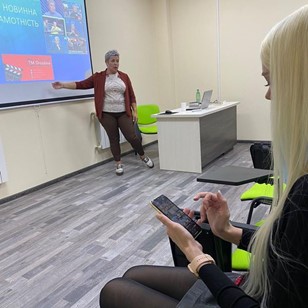
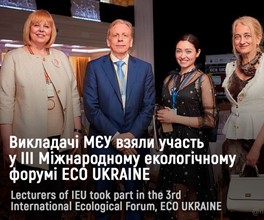
The University systematically organizes environmental events and campaigns to raise awareness of environmental issues. These events include environmental lectures, exhibitions, discussions and actions to improve natural areas.
The International European University actively supports student initiatives aimed at preserving the environment. Student environmental clubs and groups are supported in the implementation of their projects and ideas.
Environmental topics are integrated into a variety of study programs. Regardless of their faculty or specialty, students gain knowledge about the environmental impact of their fields and possible solutions to environmental problems.
The university supports research and projects aimed at preserving nature and solving environmental challenges. Students and faculty are involved in research in energy efficiency, renewable energy sources and other aspects of sustainable development.
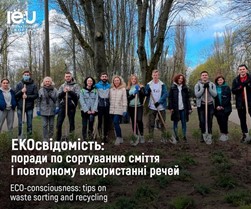
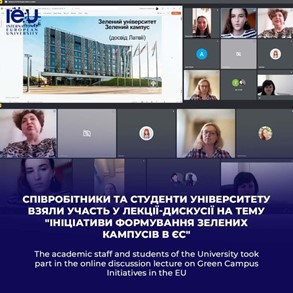
The university is actively implementing green initiatives on campus. These initiatives may include energy-saving measures, waste sorting, use of environmentally friendly materials, and other practices to reduce the environmental impact.
The university is working to develop environmental infrastructure on campus, including green areas, bicycle parking, renewable energy sources, and other means of reducing its impact on nature.
The university partners with environmental organizations to implement projects and campaigns together. This allows us to join forces to address specific environmental issues in the region.
The International European University continues to take a leadership role in environmental preservation through effective educational programs, student initiatives, and practical activities. By engaging the university community and collaborating with environmental partners, the university makes an important contribution to the sustainability and environmental awareness of our modern world.










5. Introducing practice-oriented and dual modes of study by identifying actual interests of stakeholders in order to enhance and advance a practical component of the educational process, keeping a sufficient level of fundamental training.
University education is moving to a new level thanks to innovative approaches to learning. The International European University is defined by its dynamic activities in implementing practice-oriented and dual learning, helping to prepare students for the challenges of the modern labour market.
In the modern world, where labour market requirements are changing at light speed, it is important that universities not only provide fundamental education, but also prepare students for the practical application of their knowledge. Practice-oriented and dual education is the answer to this challenge, providing students with real-world experience and unique opportunities to interact with the business environment.
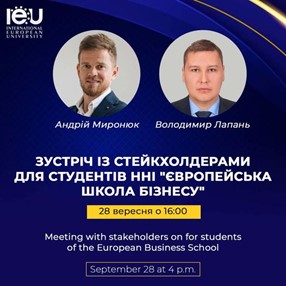
The International European University actively interacts with representatives of business and other spheres of society to identify the current interests and needs of employers. This allows the university to adapt its training programs to market requirements and provide graduates with the necessary skills.
The university actively implements practice-oriented courses and projects that allow students to apply theoretical knowledge in practice. These courses may include real-life case studies, working visits, and cooperation with enterprises.
The university is developing dual study programs where students have the opportunity to work in real workplaces while studying. Cooperation with enterprises allows students not only to gain theoretical knowledge but also to enrich it with real experience.
Practical experience gained in the course of practice-oriented and dual education allows students to develop skills that are key to a successful career. Communication, teamwork, decision-making, and other important aspects of professional activity are learned in practice.
The university stimulates the development of entrepreneurial ideas among students by providing support in creating and developing their own startups. This contributes to the cultivation of future leaders and entrepreneurs.
The International European University recognizes that practice-oriented and dual education is the key to successful adaptation of students to modern labor market challenges. By providing real-world experience and interaction with the business environment, the university strives to form highly qualified and competitive professionals ready for any challenge in the modern world.




6. Ensuring a multidiscipline character of educational programs of all levels.
The International European University chooses a strategic approach to the formation of educational programs, taking into account the diverse needs and interests of students. Providing multidisciplinarity at all levels of education opens up unlimited opportunities for students to achieve their academic and professional ambitions.
The University proudly possesses a variety of faculties and specialties, allowing students to choose from many areas of study. From the humanities and social sciences to the sciences and natural sciences, there is something interesting and relevant for everyone.
The university develops multi-level educational programs that include bachelor’s, master’s, and doctoral degrees. This allows students to choose their own path of education and development, according to their career and personal goals.
To meet the demands of the modern world, the university develops interdisciplinary programs and courses. This allows students to acquire a wide range of knowledge and skills that will be necessary in modern society.
The multidisciplinary nature of the university’s educational programs is manifested not only in the variety of areas, but also in the flexibility in choosing specializations. Students can tailor their studies according to their individual interests and goals.
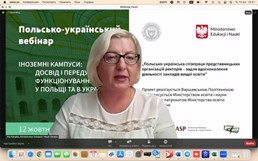
The multidisciplinary nature of the university is also reflected in its international orientation. Cooperation with universities and research institutions from around the world allows students to gain a deep understanding of global trends and development.
The multidisciplinary nature of the university stimulates the development of students’ creative abilities. The University promotes an atmosphere in which everyone can realize their creative potential.
The multidisciplinary nature of the educational programs allows students to acquire a wide range of competencies, which makes them competitive in the labor market. They are ready for challenges and can quickly adapt to different professional fields.
The multidisciplinary nature of the university’s educational programs not only broadens the horizons of knowledge, but also opens the way for students to wide opportunities. This supports the development of flexible, creative and competent professionals who are ready to meet the challenges of the modern world.





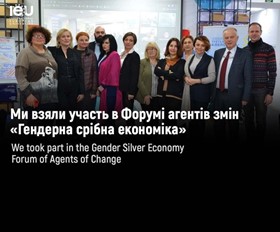

7. Ensuring the implementation of university’s educational programs at the international level.
International European University is defined by its global presence and influence in the field of higher education. As an institution that sees its mission in the context of international cooperation, the university actively ensures the implementation of its educational programs at the international level.
The International European University is proud of its extensive international relations and partnerships. Cooperation with leading universities, research institutes, and business structures in different countries allows the university to create unique interdisciplinary programs and provide students with the opportunity to gain international experience.
The University actively develops and implements two- and multi-directional international study programs. Students are given the opportunity to study at several campuses in different countries, obtain double degrees and exchange academic experience with world-class universities.
The university develops international internship and practicum programs that allow students not only to gain new knowledge but also to implement it in an international context. This becomes an additional advantage for graduates when entering the labor market.
The university focuses on language training and cultural adaptation of students. Ensuring a high level of language skills and understanding of the international environment becomes an important part of the educational process.
The International European University actively involves students and faculty in international research projects. This creates opportunities for exchange of experience and cooperation with scientists from different countries.
The university creates conditions for a comfortable stay and study of international students. The package of services includes support in obtaining visas, adaptation to a new cultural environment and an international language class.
International European University recognizes the importance of the international dimension in higher education. Its efforts in the development and implementation of international educational programs demonstrate the university’s readiness to educate global leaders and contribute to the development of the international educational space.

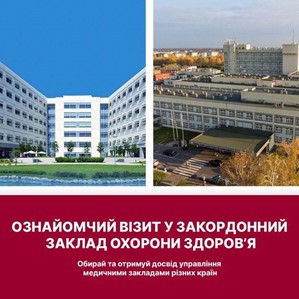



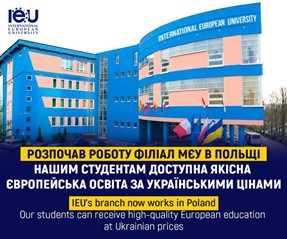


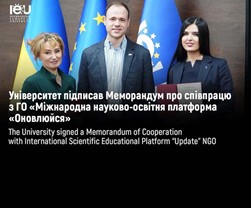

8. Developing an efficient mechanism for exercising the right of all participants in the educational process to academic mobility and participation in other grant programs by involving a greater number of academic mobility programs and increasing the number of staff taking part in international sustainable development programs.
The International European University focuses its efforts on creating an effective mechanism for exercising the right of all participants in the educational process to academic mobility and participation in grant programs. Attracting more academic mobility programs and active participation of employees in international sustainable development programs are key elements of the university’s strategy to build a global educational environment.
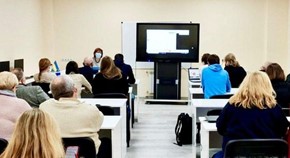
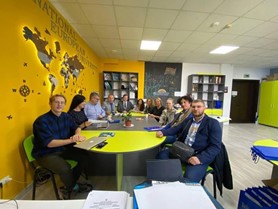
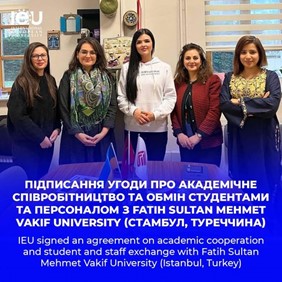
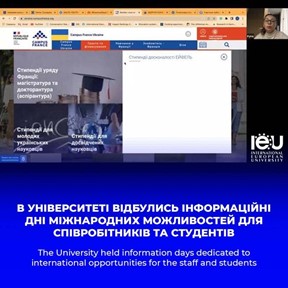
One of the priority goals of the university is to provide academic mobility opportunities for all participants in the educational process – students, teachers and administrative staff. The university actively cooperates with universities and organizations from different countries to develop and implement exchange and internship programs.
The University is improving the mechanisms for selecting and implementing academic mobility programs. Introducing new areas of exchange, developing partnerships with foreign higher education institutions, and supporting participants from all faculties are the main areas of action.
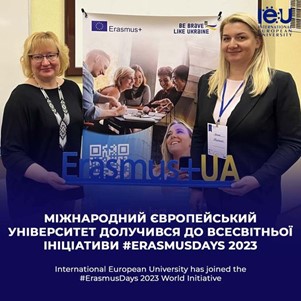
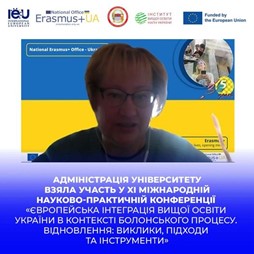
The University seeks to increase the participation of its representatives in grant programs aimed at sustainable development and international cooperation. Active involvement in such programs helps not only to finance projects, but also to exchange experience and expand the network of international partners.
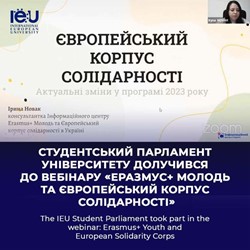
The university is developing a support system for students who wish to participate in international programs. This includes language training, cultural training, and counseling on choosing and preparing for mobility programs.
The university actively encourages the participation of its teaching staff in sustainable development programs. This can be participation in international conferences, research projects, or participation in international exchanges for teachers.
The development of academic mobility and participation in grant programs is not only the development of the university, but also an important contribution to the global educational community. It strengthens the international influence of the university and forms the global responsibility of all its participants.
The International European University considers academic mobility and participation in grant programs as key components of its global educational strategy. Creating an effective mechanism for implementing these initiatives is an important step towards the development of international education and raising the level of global intelligence.







Number of Courses and Subjects Related to Sustainability Offered