- SUSTAINABILITY AT IEU


Greening
GREENING THE TERRITORIES – CARE FOR THE ENVIRONMENT
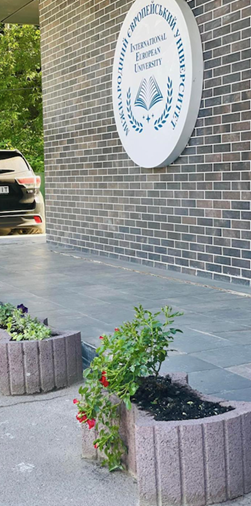
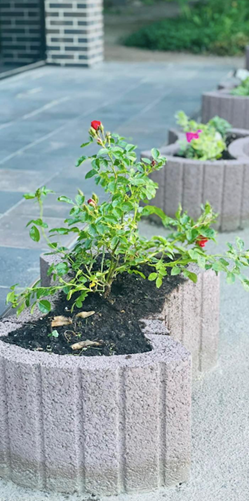
GREENING is an integral part of the general set of measures for planning and improvement of university territories. It implies the even arrangement of green areas among buildings connected by landscaped strips and proper care of saplings, shrubs, for which it is planned to create automatic watering and unification into a single continuous system. To maintain the proper condition of greening, new young saplings are planted to replace dry emergency trees removed in the past. The tree planting is carefully planned for the perfect execution of the event. We are going to plant more heat-loving species of greenery in spring.
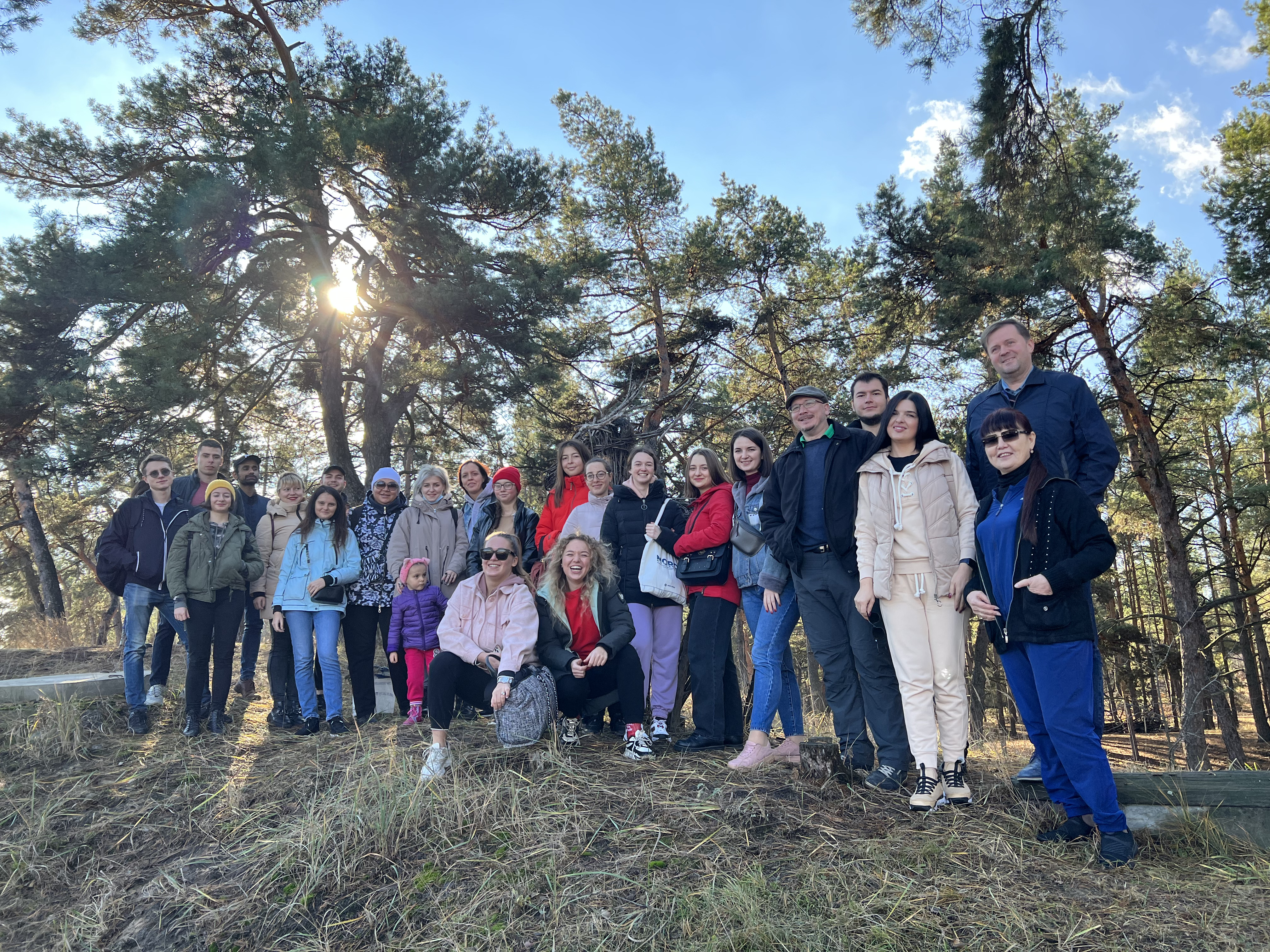
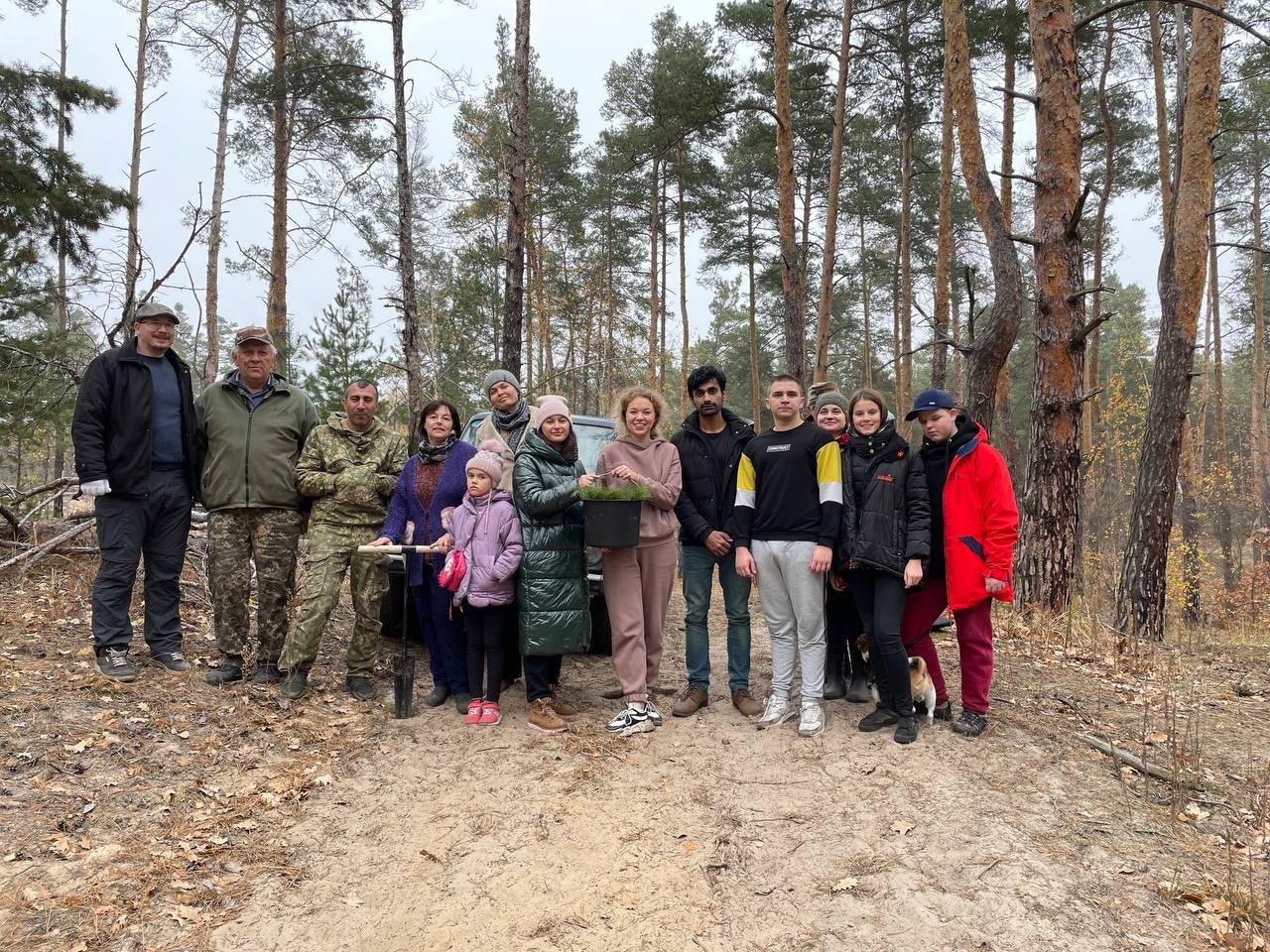
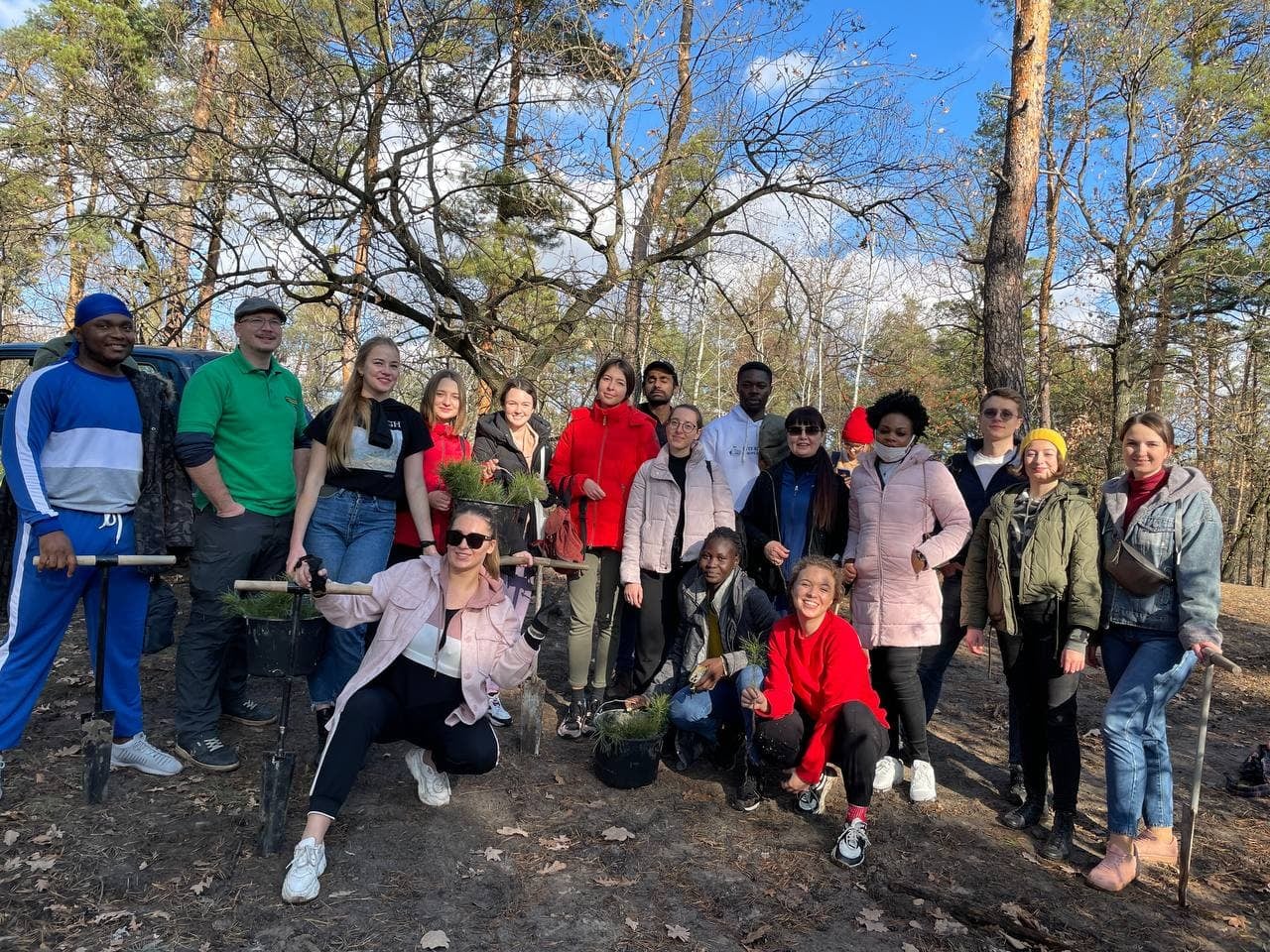
Today’s world recognizes the need for deep changes in the way we build and maintain our urban areas. One of the initiatives aimed at meeting the Sustainable Development Goals (SDGs) is the greening of International European University (IEU) Campuses.
Not only does it decorate the learning environment, but it also becomes a strategic step in improving the environmental, social and economic sustainability of the university community.
- Sustainability and Sustainable Development Goals
Campus greening is not just a natural element but an important strategy for achieving the SDGs. It primarily helps address climate change and ecosystem degradation problems. Increasing the number of trees, shrubs and lawns at the campus reduces carbon emissions, improves air quality and reduces the heat island temperature effect in the urban environment.
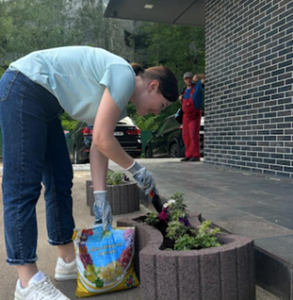
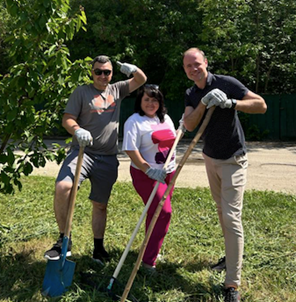
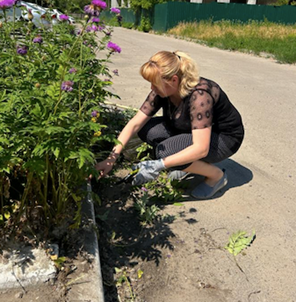
Green spaces not only enhance the appearance of the campus but also affect the psychological well-being of students, lecturers and staff. Research confirms that green space contributes to stress reduction, increased concentration and overall psychological comfort. The green campus becomes a place where people can relax, recharge and enjoy natural surroundings.
- Fostering Social Community and Innovations
The green campus also provides opportunities for the development of the social community. Gardens and parks can serve as spaces for meetings, discussions and cultural events. Besides, the creation of innovative spaces for environmental and sustainability study and research can foster scientific development and the adoption of cutting-edge technologies.
- Training and Education
- Efficient resource management
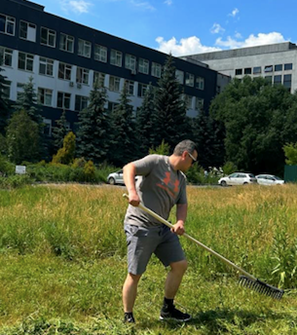
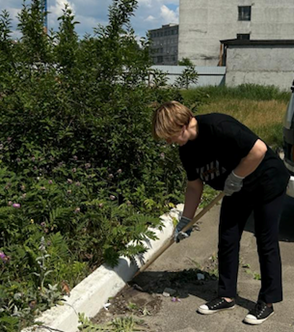

Campus greening can be used to educate students and staff about environmental issues. Students can take part in plant care programs, explore ecosystems and develop nature conservation projects. It allows creating a new generation of leaders understanding the importance of environmental responsibility.
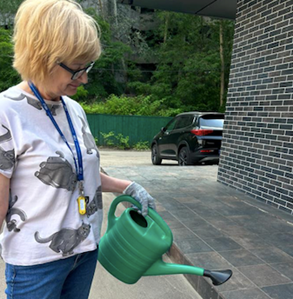
Campus greening also contributes to the rational use of resources. Introduction of energy efficient irrigation systems, utilization of renewable energy sources and efficient use of water helps in reducing the ecological footprint of the territory.
Greening of International European University campuses is becoming not only a symbol of beauty but also an active step in the fulfillment of the Sustainable Development Goals. It contributes to a sustainable future by developing not only natural resources but also human potential. Students, lecturers and staff surrounded by green oases gain not only knowledge but also inspiration to take an active part in creating a sustainable world.